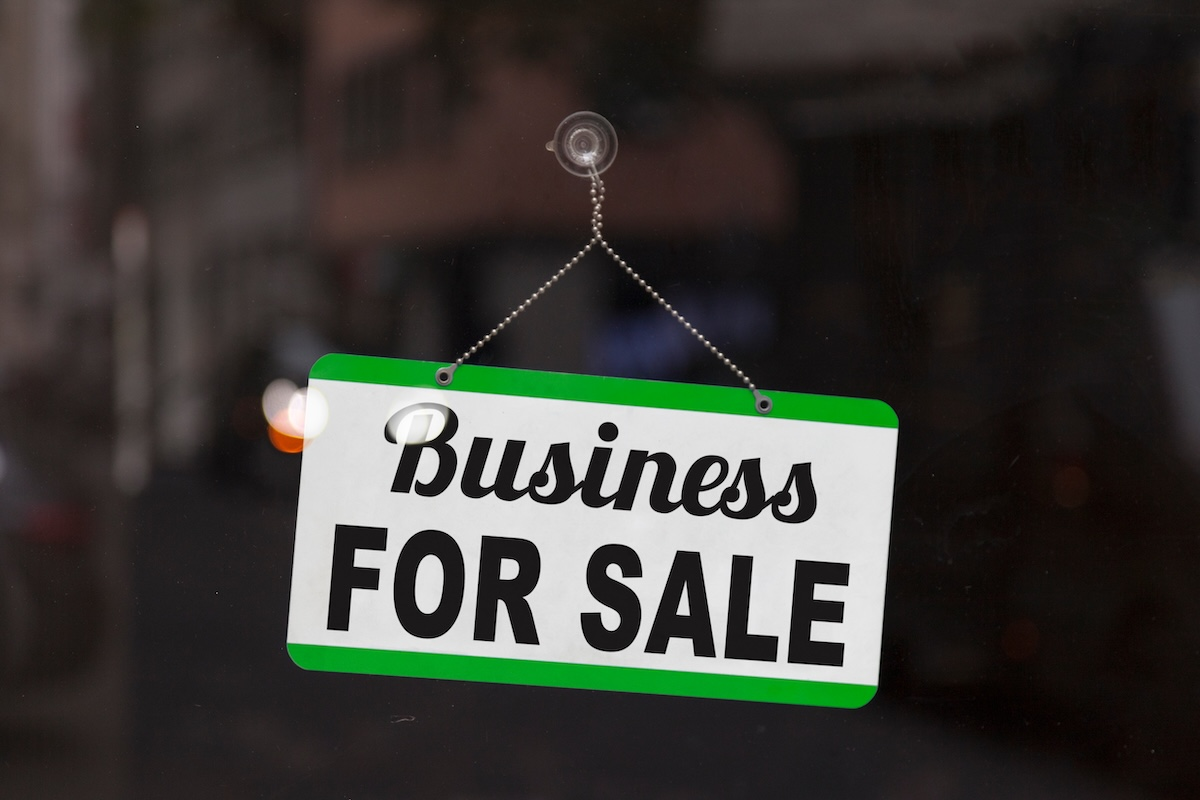
Selling a business is one of the most significant financial and personal decisions a business owner can make. If you’ve made the decision to sell your business, but unsure where to start, this step-by-step guide will provide some clarity on the process you can expect.
Step 1: Decide Between a Share Sale or an Asset Sale
Choosing between a share sale and an asset sale isn’t always straightforward. Each option has tax, legal, and business implications, so it’s important to evaluate which approach works best for your situation.
Who to consult:
- Accountant/Financial Advisor: Determine the potential tax benefits of a share sale. Are the savings significant enough to justify any additional costs and risks?
- Lawyer: Identify any legal considerations or risks that might make a share sale unsuitable for your business.
- Business Broker: Assess whether a share sale aligns with your business type and sale goals. Could it limit your pool of potential buyers?
In my experience as a broker, share sales are uncommon for businesses with less than $700k in revenue.
Step 2: Prepare Your Documents
Having all the necessary documents ready instills confidence in potential buyers and demonstrates that your business is well-organized. It also ensures efficiency when discussing with potential buyers, helping you quickly identify qualified buyers. While the specific documents needed may vary depending on your business type, here’s a general list of what buyers typically request:
- Financial statements: Depending on the business, 1-3 fiscal years’ worth of financial statements are typical. Note that there are scenarios where review engagements are required
- Lease Agreement: If your business operates from a physical location, buyers will want to review the lease agreement to understand the terms they would be taking over.
- Licenses and permits: For businesses that require licenses or permits (bars, restaurants, daycares, etc), it’s common for buyers to want proof of an active license or permit
- List of equipments: A list of equipment helps buyers know what will be included in the sale
- List of assets: Typically includes websites, social media accounts, intellectual properties, and phone numbers
Step 3: Finding buyers
There are several platforms where business owners can list their business for sale, with Facebook Marketplace and BusinessesForSale.com being among the most popular. Note that some websites, such as Realtor.ca, require a business broker who is licensed with a real estate board to list a business for sale.
When creating a listing, you can choose to list your business confidentially or publicly. Listing your business confidentially will prevent clients and employees from learning about the sale, but will slow the process of finding a suitable buyer. Ultimately, it’s up to the seller to weigh the pros and cons and decide which approach best suits their business.
Step 4: Negotiations
Upon receiving an offer from a buyer, there are typically a few rounds of negotiations before reaching an accepted conditional offer. An offer is more than just the price, so it’s important to review it carefully. Determine which terms you’re willing to compromise on and which are non-negotiable to protect your interests during the negotiation process. Some terms to consider are:
- Conditions of the offer
- Length of training and transition
- Coverage of non-compete
Step 5: Closing the deal
Once the conditions of the offer are satisfied, you and the buyer have reached an unconditional offer. Your solicitors will cooperate to reach a definitive purchase agreement for the sale and begin conveyancing.
Step 6: Transition
If you have negotiated a transition or training period with the buyer, this period will begin once the sale closes and continue until the terms outlined in the contract are fulfilled. A well-planned transition helps ensure the business continues to operate smoothly and supports the buyer in taking over successfully.
Have questions about selling your business? Contact me for a free consultation!